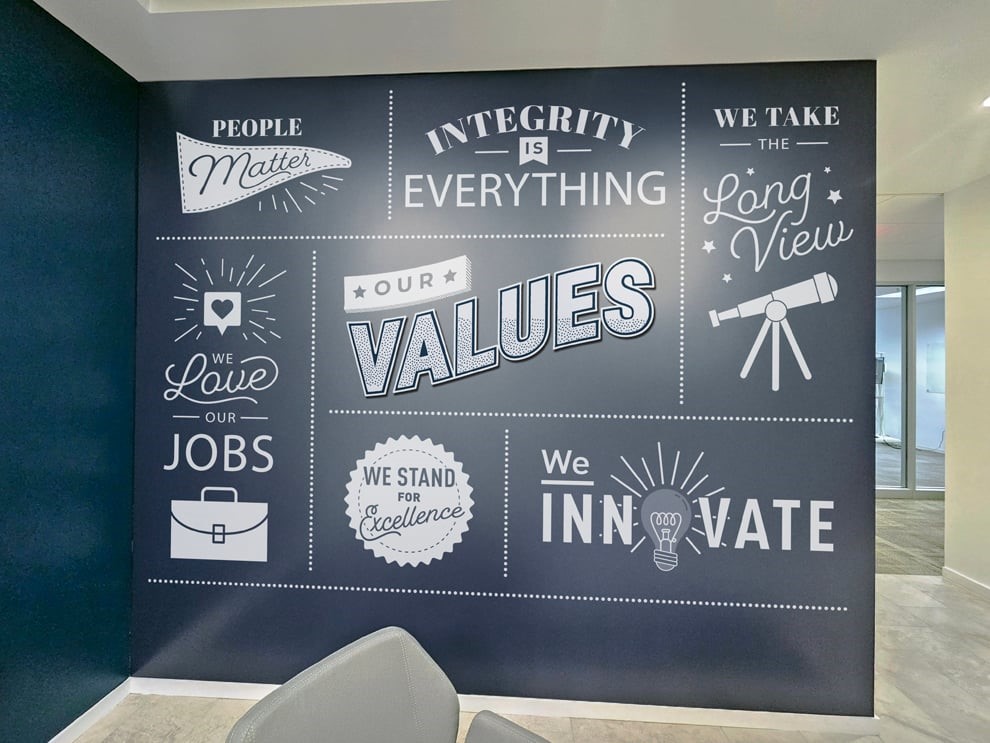
In highly regulated industries such as finance, healthcare, and energy, the stakes of non-compliance are immense. Beyond financial penalties, companies risk reputational damage, operational disruptions, and legal liabilities. Cultivating a strong compliance culture is no longer a regulatory checkbox; it is a strategic necessity for sustainable growth and organizational resilience.
Leadership Commitment Sets the Tone
A robust compliance culture starts at the top. When executives prioritize regulatory adherence and ethical decision-making, it creates an environment where employees feel empowered to act responsibly. Organizations with weak leadership signals often experience higher incidences of misconduct, lapses in governance, and regulatory scrutiny. Embedding compliance best practices into the company’s DNA requires visible, consistent support from senior management.
Employee Engagement Drives Ethical Behavior
Employee understanding and engagement are critical to a compliance-oriented environment. Workforces that grasp the rationale behind regulations and internal policies are more likely to act responsibly. Continuous training programs, clear communication, and practical guidance help employees recognize risks before they escalate. This proactive approach mitigates violations and enhances operational efficiency by aligning employee behavior with organizational objectives.
Strong Compliance Supports Risk Management
A strong compliance culture is essential for effective risk management. Regulatory frameworks are designed to anticipate operational, financial, and reputational risks. Organizations that integrate compliance into daily operations are better positioned to detect anomalies, respond to emerging threats, and maintain business continuity. Embedding compliance strategies for regulated sectors encourages strategic foresight and informed decision-making across all levels.
Leveraging Technology for Compliance Oversight
Technology plays a pivotal role in reinforcing compliance culture. Advanced monitoring tools, reporting systems, and automated workflows provide real-time oversight and transparency. Employees can follow clear protocols for handling sensitive data, managing conflicts of interest, and reporting potential violations. By combining human diligence with technological support, companies create a compliance infrastructure that is resilient and adaptable to evolving regulations.
Accountability and Clear Roles
Accountability ensures that compliance is not optional. Clearly defined roles and responsibilities help employees understand their obligations. Regular audits, performance metrics, and feedback loops reinforce individual and organizational accountability. When staff recognize that compliance is integral to their roles, ethical behavior and organizational integrity are strengthened.
Enhancing Corporate Governance
Corporate governance benefits significantly from a strong compliance culture. Regulators increasingly assess not only rule adherence but also the effectiveness of governance frameworks. Organizations that demonstrate a commitment to ethical standards, transparent reporting, and proactive risk management gain trust from investors, clients, and regulators alike. This trust translates into competitive advantages, reduced regulatory friction, and enhanced brand reputation.
Navigating Complex Regulatory Challenges
Highly regulated sectors face unique challenges, including frequent legal changes, cross-border operations, and complex reporting requirements. A strong compliance culture equips organizations to respond effectively. Employees trained to anticipate regulatory shifts, recognize red flags, and escalate issues contribute to organizational agility. Companies that embrace this culture move from reactive to proactive compliance practices.
Expert Guidance Strengthens Compliance
Organizations seeking to enhance their compliance frameworks benefit from expert guidance. Specialized professionals can tailor policies, monitoring mechanisms, and training programs to sector-specific needs. Companies looking to elevate their compliance practices can contact us for expert compliance officer support to build resilient compliance strategies aligned with regulatory requirements and business goals.
Compliance Culture as a Strategic Differentiator
Strong compliance culture drives ethical behavior, mitigates risk, strengthens governance, and builds stakeholder trust. Companies investing in cultivating this culture not only protect themselves from penalties and reputational harm but also position themselves for sustainable growth. In today’s dynamic regulatory landscape, prioritizing compliance programs and practices is essential for resilience, credibility, and long-term competitive advantage.